The concrete laboratory at IIT Bhubaneswar has state of the art facilities for UG and PG teaching and research.
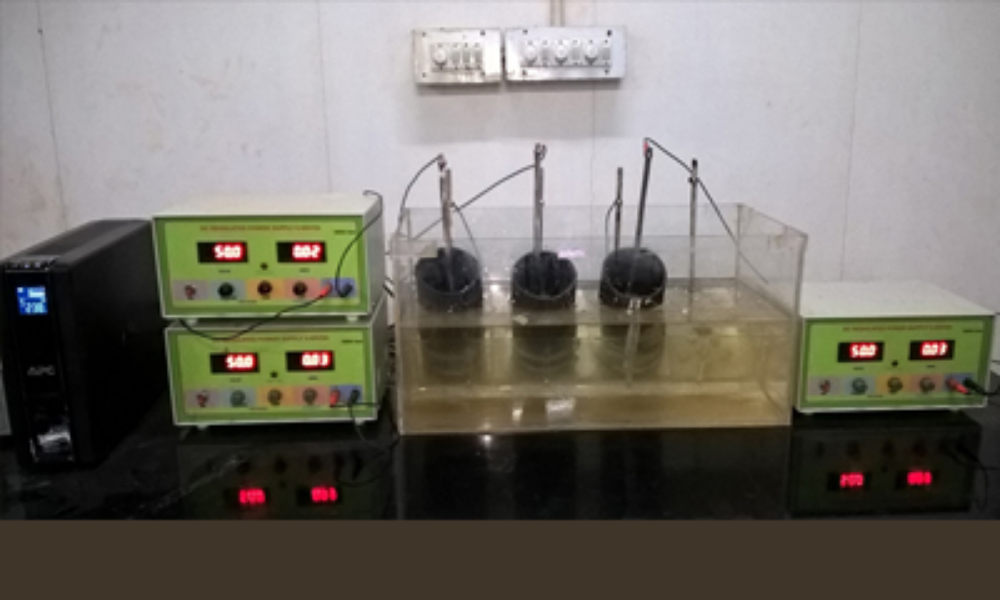
Chloride Migration Setup
Chloride ion movement can be well studied using this setup. Chloride diffusion rate and depth of penetratio can be determined using this experment
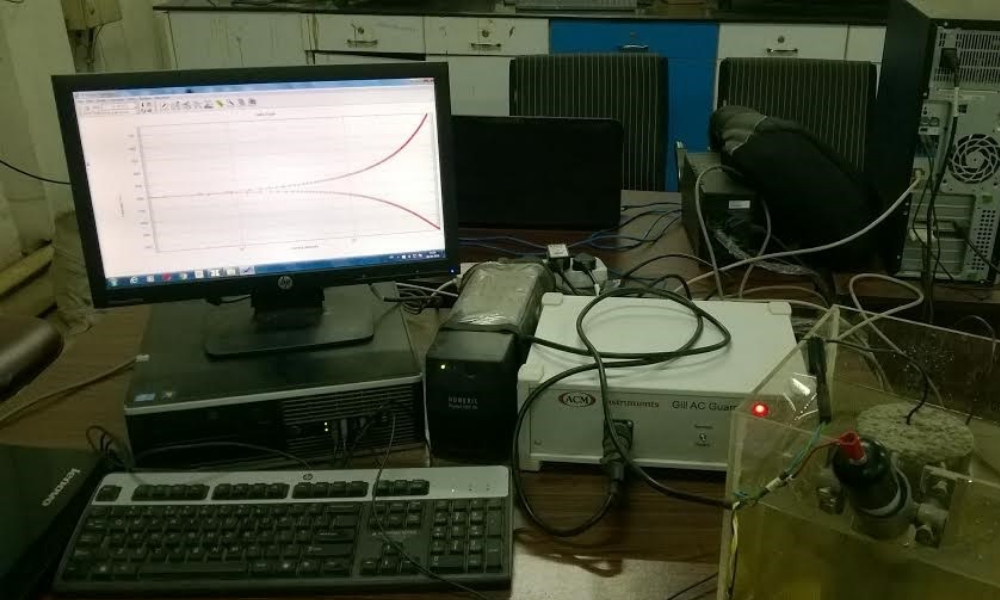
ACM Corrosion & Impedance Analyser
This instruments features a Potentiostat, Zero Resistance Ammeter (ZRA), Frequency Response Analyser (FRA) and Galvanostat in one enclosure
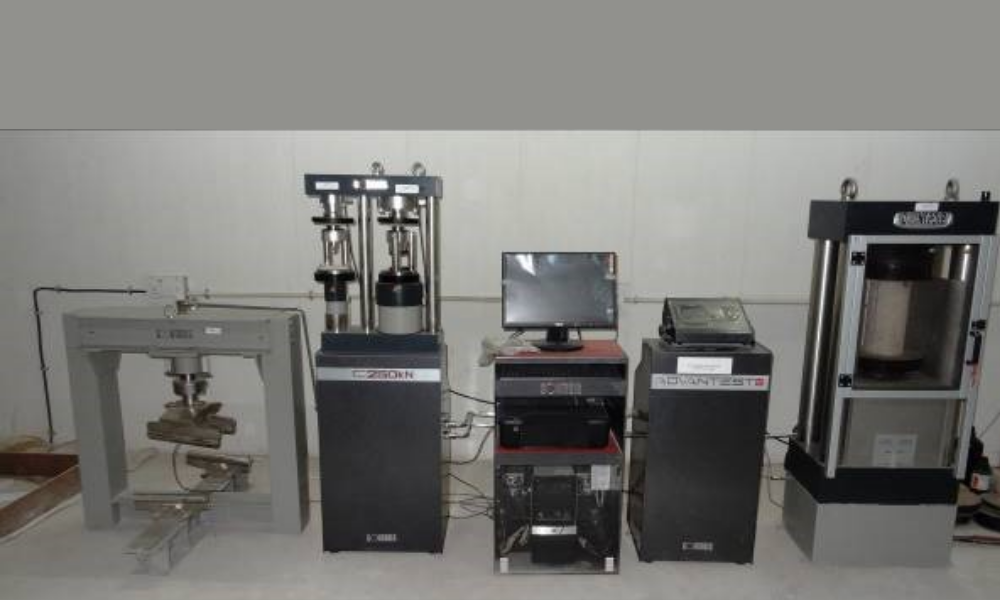
AVANTEST 9
Automatic hydraulic systems for static and low frequency dynamic tests on building materials under control of Load, Displacement, and Strain.
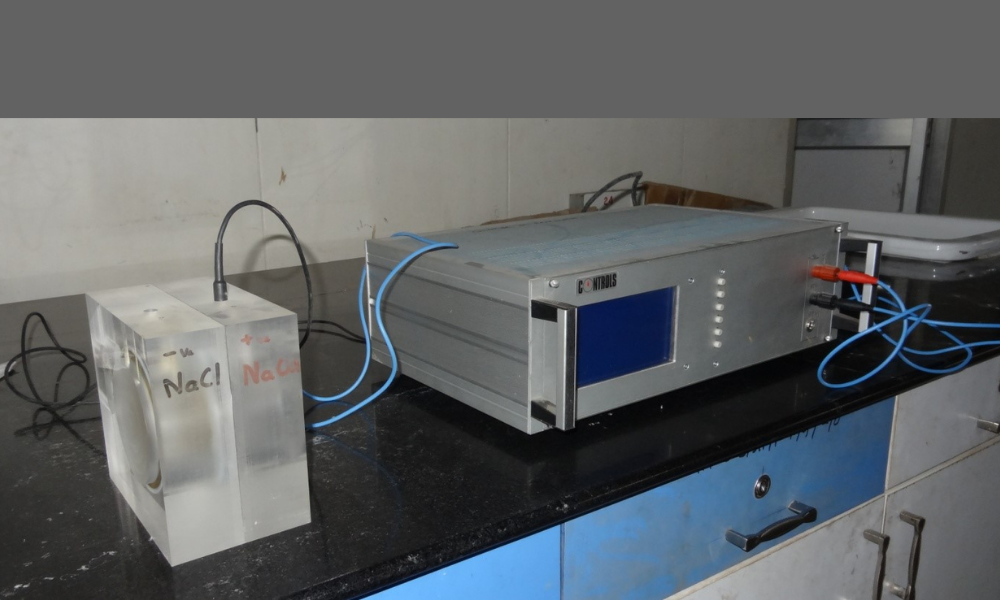
Chloride Diffusion Apparatus
An electronic device to measure the resistance of concrete to the penetration of chloride ion in accordance with ASTM C 1202.
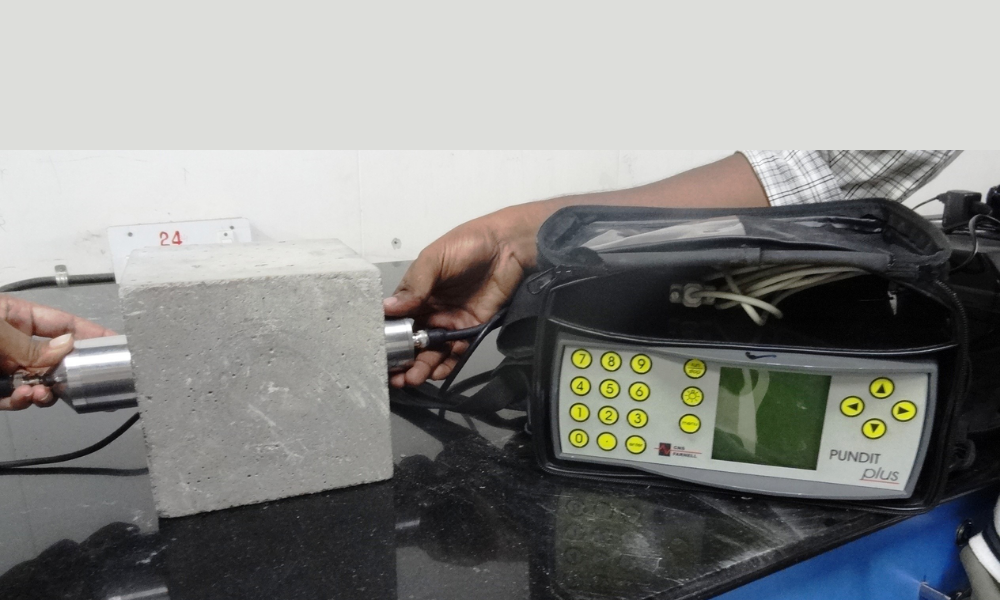
Ultrasonic Pulse Velocity (UPV)
Ultrasonic Pulse Velocity (UPV) testing of concrete is based on the pulse velocity method to provide information on the uniformity of concrete, cavities, cracks and defects.
GWT-4000
Setup for for testing of micro-cracking and porosities of the concrete surface.
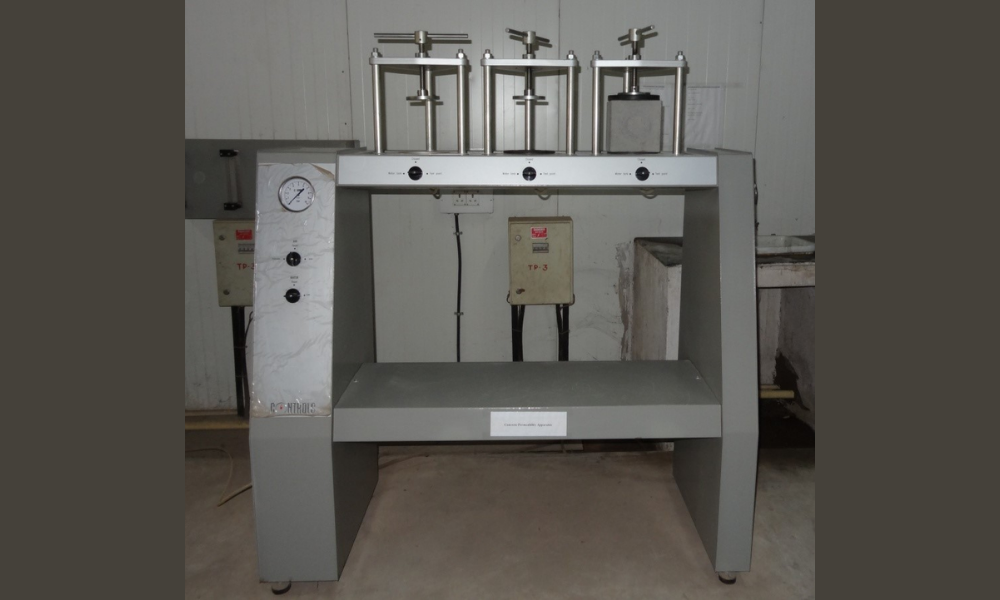
Water permeability apparatus
Water tightness refers to the ability of concrete to hold back or retain water without visible leakage.
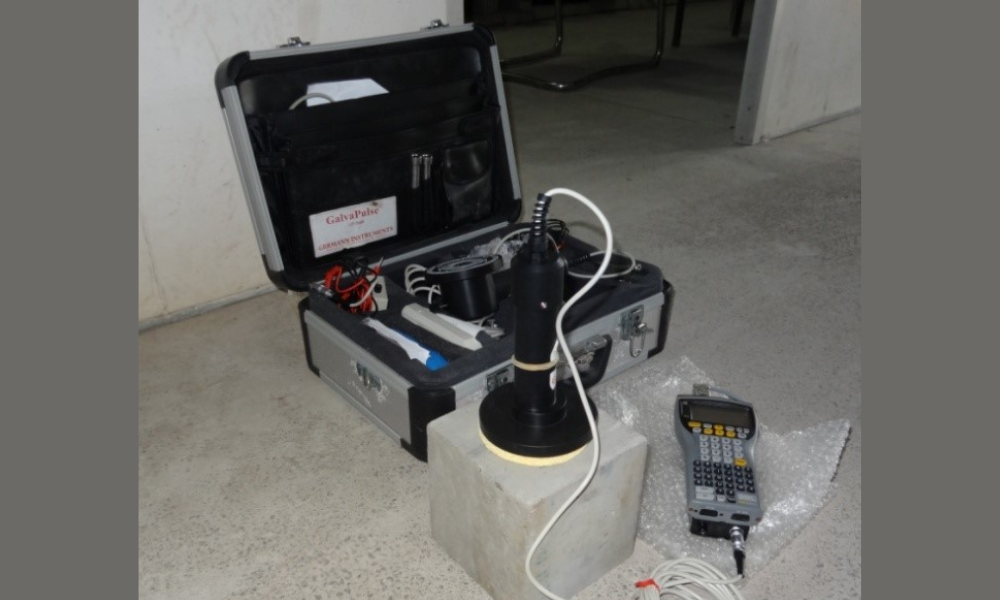
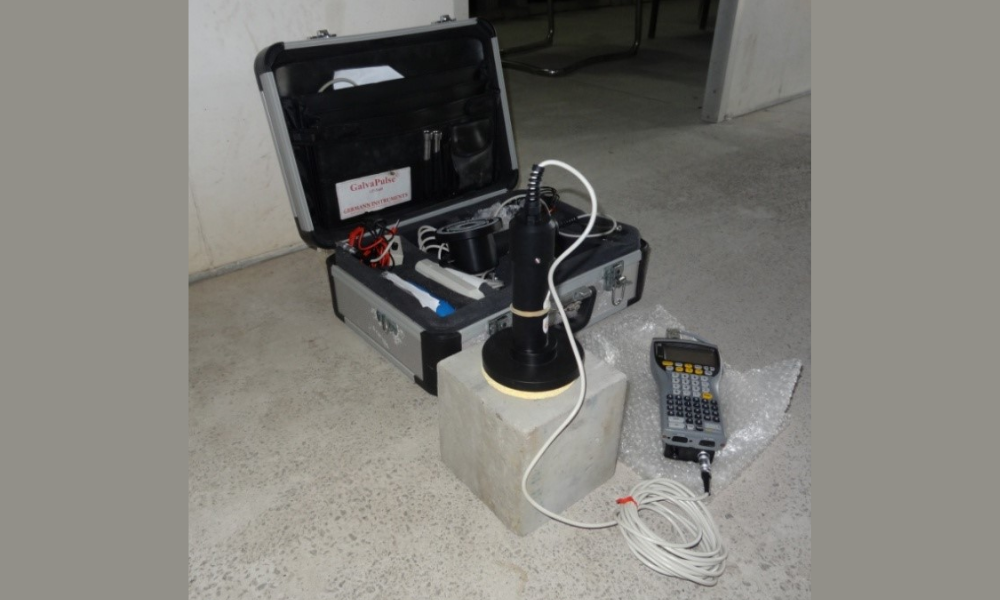
Galva Pulse
The galvanostatic pulse measurement technique is a fast polarization technique for determination of the actual corrosion rate at the time of testing.
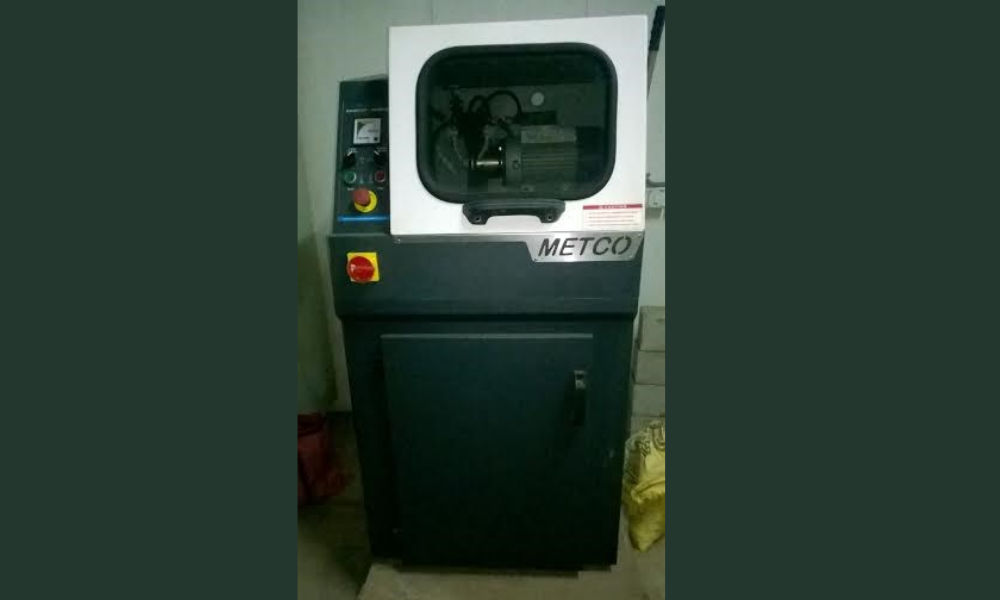
Automatic Cutting machine
The automatic cutting machine enables to prepare the concrete specimen for microstructure studies.
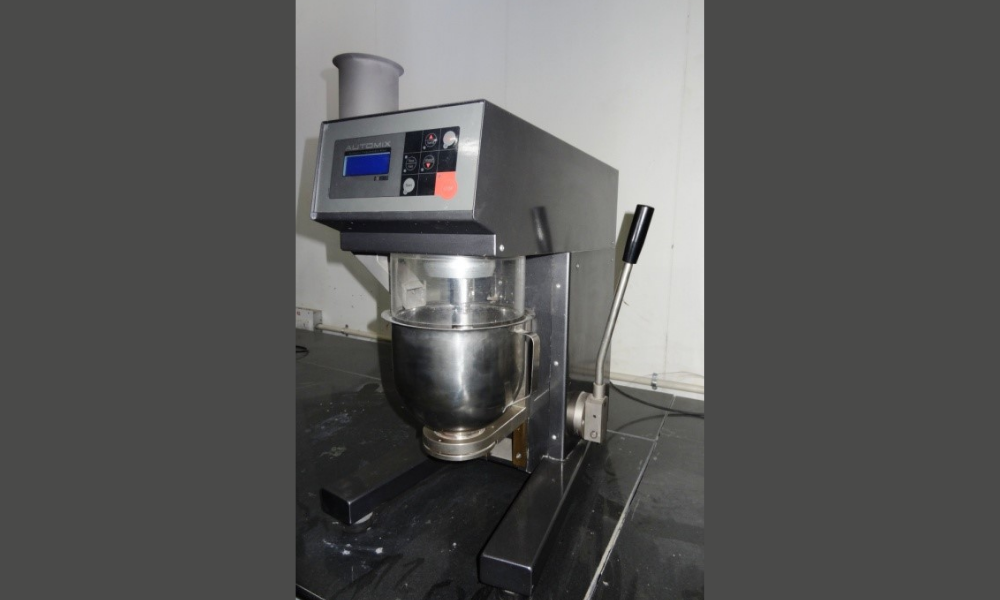
Automatic programmable mixer
Equipment for preparation of cement mixes with or without additives. The mixer is able to perform mix cycles to the these standards: EN 196-1, EN 196-3, EN 480-1
Office of the School of Infrastructure
School of Infrastructure, Indian Institute of Technology Bhubaneswar, Jatni, Khordha, Odisha - 752051, India.